
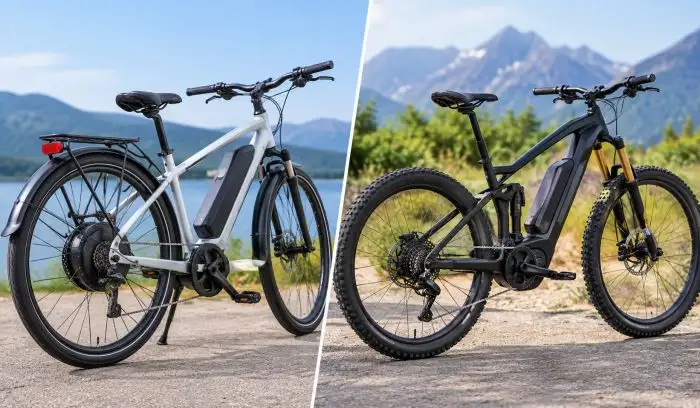
Picking an e-bike means picking a motor. Hub or mid drive. That choice shapes how the bike rides, what it costs, and how much upkeep it needs. The hub motor vs mid drive electric bike question trips up a lot of buyers. Here is the plain version. A hub motor lives in the wheel cheaper, simpler & Less to fuss over.
A mid drive sits at the pedals. It climbs better. It feels like you, only stronger neither wins outright. Your daily route decides it. Flat roads? Hub is fine. Hills every morning? Pay more for mid drive. This piece lays out the real gaps. Money, Efficiency, Repairs & Feel. No sales talk. Let us get into it.
What Is a Hub Motor?
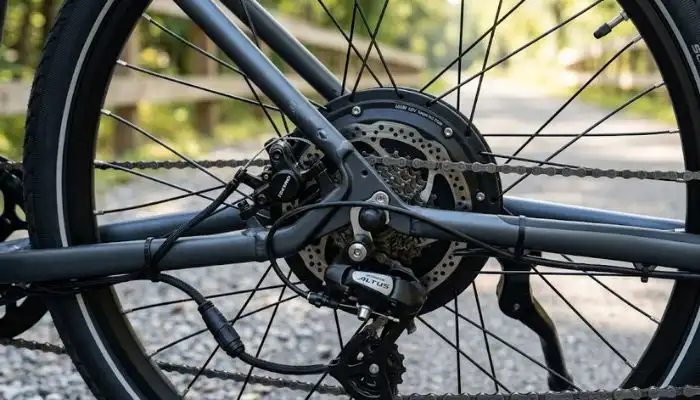
A hub motor is built directly into the wheel. Most are in the rear wheel, though front hub setups exist. The motor housing replaces the hub itself. Power goes straight from the motor to the wheel with no chain or belt carrying that final drive. It is a self-contained unit .
This simplicity is the hub motor's biggest strength. There is no drivetrain to wear out. No chain to lubricate. You get on and ride. For flat city roads and daily commuting, that direct power delivery feels smooth and predictable .
Read More: How to Charge an E-Bike While Travelling: Safe Charging Tips
What Is a Mid Drive Motor?
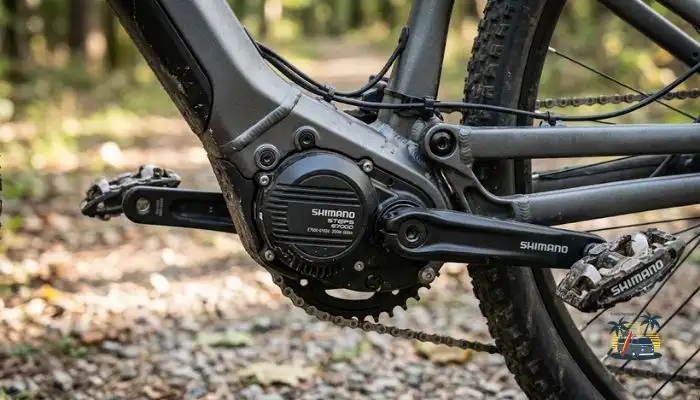
A mid drive motor sits at the center of the bike, roughly where the pedals attach to the frame. Instead of driving the wheel directly, it sends power through the chain and gears. That means the motor benefits from the same gearing you use when you pedal .
This is why mid drive bikes climb so well. When you shift into a lower gear, the motor also gets that mechanical advantage. It can spin at its most efficient speed even when you are crawling up a steep hill .
Hub Motor vs Mid Drive Efficiency
Efficiency is not fixed. It changes with the terrain and how you ride.
- A 2018 study in the International Journal of Vehicle Systems Modelling and Testing found that on steep roads, hub drive motors used 18% more energy than mid drive motors. The reason is simple. A hub motor is locked to wheel speed. When you climb slowly, the motor spins slowly too. Electric motors are less efficient at low speeds .
- But here is the twist. On flat ground at a steady pace, a hub motor can actually be more efficient than a mid drive. It has fewer moving parts. Less energy is lost through the chain and gears. If your commute is mostly flat, a hub motor might give you better range .
The short answer: Mid drive wins on hills. Hub drive wins on flats.
Hub Motor vs Mid Drive Electric Bike Pros and Cons
Hub Motor Pros
- Lower cost. Hub motors are cheaper to make. A hub motor system might cost $44 to $118. A mid drive runs $294 to $441 .
- Less maintenance. No chain or cassette wear from the motor. The system is sealed and self-contained .
- Quiet operation. Hub motors run very quietly .
- Simple to understand. For first-time riders, hub motors offer uncomplicated assistance without needing to think about gear selection .
Hub Motor Cons
- Struggles on steep hills. No gear reduction means the motor cannot amplify its power at low speeds .
- Rear weight bias. The motor adds weight to one wheel. This can affect handling, especially with cargo .
- Harder tire repairs. Motor cables and special axle nuts make fixing a flat more complicated .
- Limited gear compatibility. Rear hub motors cannot easily fit cassettes with more than 10 speeds .
Mid Drive Pros
- Excellent hill climbing. The motor uses your gears to maintain efficiency on steep gradients .
- Better balance. Weight sits low and centered. The bike feels more planted, especially when cornering or carrying loads .
- Natural ride feel. Torque sensors on mid drives respond to how hard you pedal. The assistance feels like an extension of your legs .
- Wide component compatibility. You can use any cassette, chain, or internal gear hub. Mid drives work with belt drives too .
Mid Drive Cons
- Higher price. The motor itself costs more. The whole bike costs more .
- More drivetrain wear. The motor puts power through the chain and cassette. Those parts wear out faster. One rider reported replacing aluminum chainrings every 700 miles on a hard-ridden mid drive .
- More maintenance. You still need to lubricate, tension, and replace the chain and cassette .
- More complex. The internal structure includes gears, clutches, and sensors. Repair costs are higher .

Hub Motor vs Mid Drive Electric Bike Cost
The price gap is significant.
- Mokwheel sells a hub-driven Basalt ST 2.0 for $1,699.99. Their mid-drive Onyx lists at $3,299.99. That is a gap of roughly $1,600 between two bikes with similar range and payload .
- Part of that gap is the motor itself. But mid drive bikes also need stronger chains, cassettes, and sometimes custom frames. All of that adds cost .
- If you are on a tight budget, a hub motor gets you on an e-bike for less money. If you have more to spend and need the climbing power, a mid drive justifies the price.
You May Also Read: Best Electric Bikes for Exercise: Top 5 Fitness E-Bikes
Mid Drive Motor vs Hub Motor: Which Is Better?
There is no single winner. It depends on where you ride.
Choose a hub motor if:
- Your rides are mostly flat
- You commute on paved roads
- You want low maintenance and low cost
- You do not need to climb steep hills regularly
Choose a mid drive motor if:
- You deal with hills or flyovers every day
- You carry cargo or passengers
- You want a natural, bike-like pedal feel
- You ride off-road or on mixed terrain
The big bike brands Trek, Specialized, Giant do not make geared hub eMTBs. Electric mountain bikes almost all use mid drives. That tells you something about which system handles tough conditions better .
The Bottom Line
A hub motor is simple, affordable, and great for flat city riding. A mid drive motor costs more, needs more maintenance, but climbs better and feels more natural.
Pick the motor that matches the hardest part of your regular ride. If that is a steep hill every morning, get a mid drive. If it is a flat commute, a hub motor will serve you well and save you money.
FAQs
1. Which is cheaper?
Hub motor. By a lot. The motor costs less to make. The whole bike costs less to buy. Budget buyers pick hub.
2. Which climbs hills better?
Mid drive. It uses your gears. Shift down and the motor gets the same help. Hub motors cannot. They spin at wheel speed. Steep hills kill them faster.
3. Which needs less maintenance?
Hub motor. It is sealed. No chain wear from the motor. No cassette wear. Mid drives push power through your drivetrain. Chains and gears wear quicker. You replace them more.
4. Which feels more natural?
Mid drive. Sensors read how hard you pedal. The motor matches your effort. Feels like your legs got stronger. Hub motors push you. Less connection. Still works. Just different.
5. Which is more efficient?
Depends. Steep roads? Hub motors use about 18% more energy. Mid drives stay efficient because of gears. Flat ground? Hub can win. Fewer moving parts. Less loss. Flat commute? Hub is fine.
6. Are hub motors hard to repair?
The motor is reliable. Flat tires are the problem. Motor cables and special axle nuts get in the way. Mid drives have normal wheels. Tire repairs are easier. But motor fixes cost more if something breaks.
7. Can I put a mid drive on any bike?
Mostly yes. Mid drives work with standard chains and cassettes. Even belt drives. Rear hub motors have limits. They cannot fit cassettes over 10 speeds. Want a wide gear range? Mid drive is safer.
8. Which should I buy?
Think about your hardest ride. Flat city streets? Hub motor. Save money. Less hassle. Steep hills, cargo, or off-road? Mid drive. Costs more. Needs more care. Handles the tough stuff. Match the motor to your route. That is the answer.
